
Brazil 2026
Stories, Sounds & Resistance
July 14–28 $5,4802 CUCs
Immerse in Afro-Brazilian culture through music, capoeira, dance, and storytelling. Explore Candomblé rituals, visit quilombo communities, collaborate with Afro-centered schools, and feel Brazil’s rhythm firsthand.
Applications Open • Closes April 24, 2026
Information for Parents/Guardians
Your student’s safety, growth, and cultural education are our top priorities
Safety & Security
All students are supervised 24/7 by experienced educators and local guides.
We maintain comprehensive travel insurance, emergency protocols, and daily check-ins. Accommodations are carefully vetted for safety and comfort.
24/7 Communication
Parents receive daily updates via our secure portal. Students have regular opportunities to contact home.
Emergency contact numbers are available around the clock, and our team responds immediately to any concerns.
What's Included
- Roundtrip airfare from major US cities
- All accommodations (hotels & cultural homestays)
- Three meals daily with cultural dining experiences
- All excursions, workshops, and entrance fees
- Comprehensive travel and medical insurance
- 3 college credit units (transferable)
Life-Changing Impact
This journey offers profound cultural connection and personal growth.
Students gain global perspective, historical understanding, and lasting relationships with peers and community members.
Many describe it as transformative for their identity and worldview.
Pre-Departure Preparation
Prior to departure, students and parents attend mandatory orientation sessions covering cultural customs, health preparation, packing guidance, and travel logistics. We provide detailed itineraries, reading materials, and connection opportunities with past participants.
Payment Plans Available: We understand this is a significant investment. Flexible payment plans and limited need-based scholarships are available. Contact us to discuss options that work for your family.
For Students: Your Journey Awaits
Immerse yourself in West African culture, history, and community
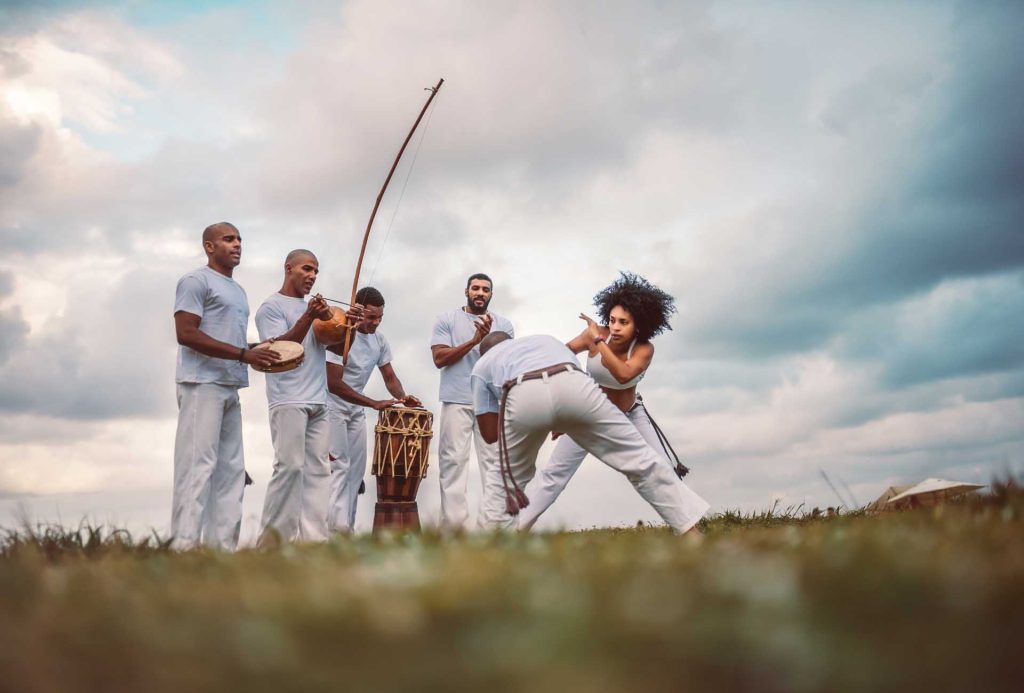
Create & Capture
Dive into Afro-Brazilian culture through high-energy dance classes, Olodum percussion drumming workshops, Capoeira training, and vibrant Naïf art painting sessions, experiencing rhythm, movement, resistance, and creativity as living cultural forces.
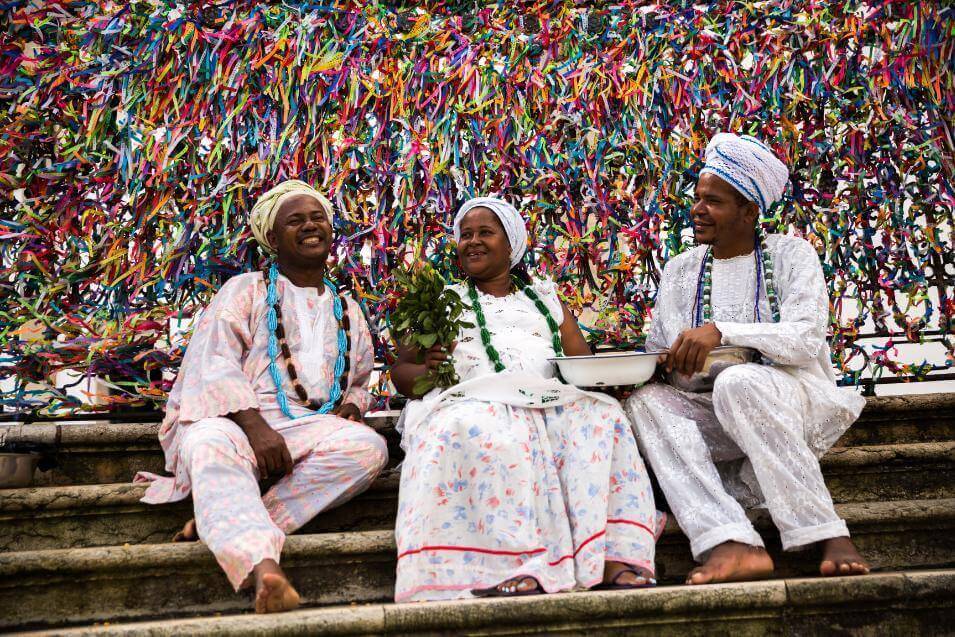
Connect with Community
Connect with anthropologists and grassroots community activists to explore Brazil’s dynamic Hip Hop movements, engage deeply with Candomblé religious communities, and actively support learning inside local community elementary schools.
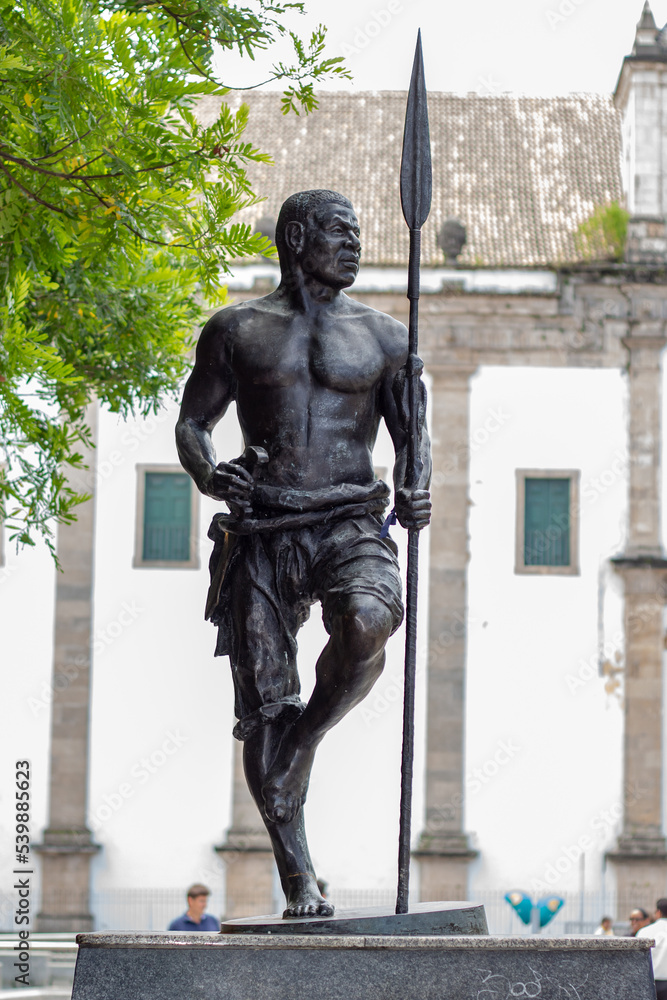
Learn & Grow
Journey through Brazil’s layered history—from pre-colonial Indigenous societies to maroon communities formed by formerly enslaved Africans—discovering powerful stories of resistance that shape today’s global center of Afro-Brazilian culture.
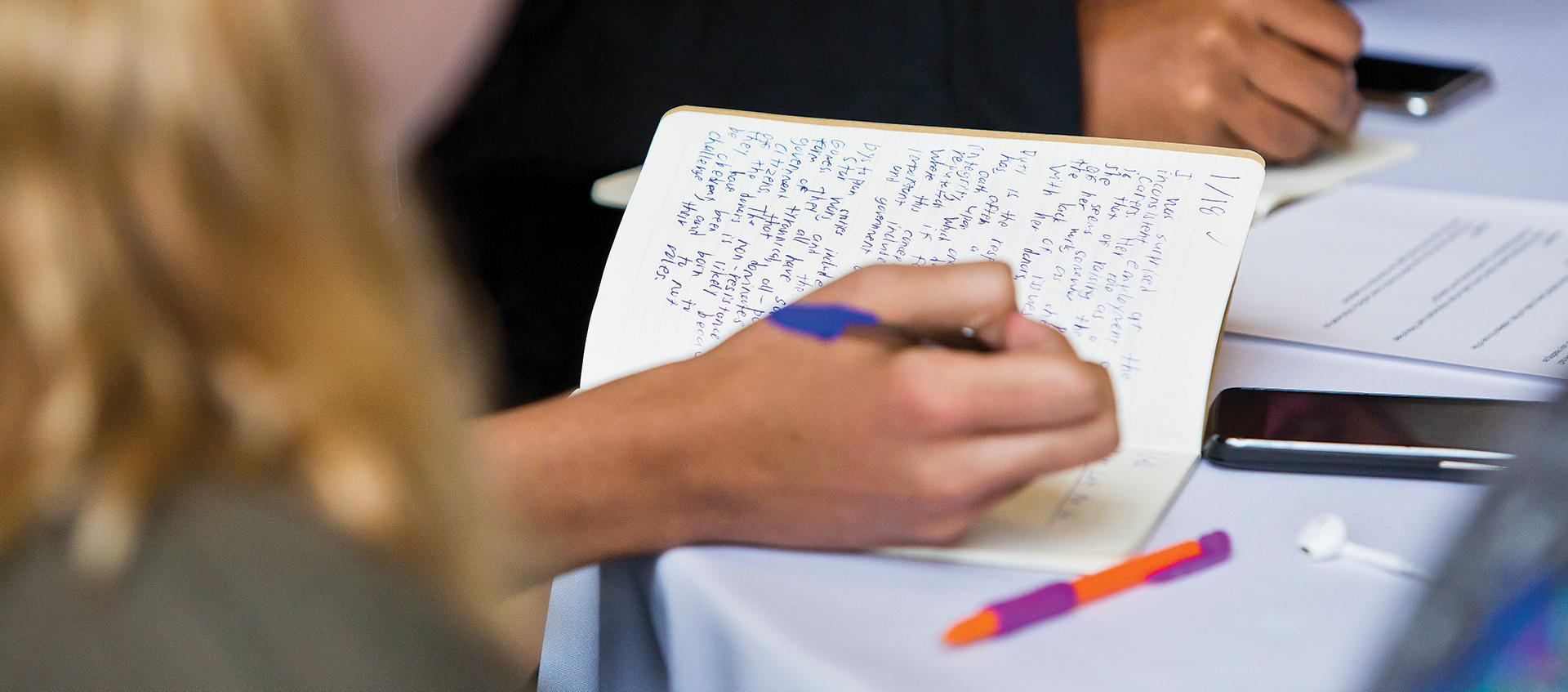
Discover Yourself
Unleash creative voices in writing and poetry workshops rooted in Afro-Brazilian, Indigenous, and Candomblé traditions, using storytelling, rhythm, and spirituality to express ancestry, identity, and cultural pride.
Your 15-Day Journey
15 days of cultural immersion and community connection
Days 1-2 / July 14-15 / Salvador - Arrival & Cultural Immersion
Part 1: Arrival & Cultural Immersion
Day 1: Welcome to Salvador
- Arrive at Salvador International Airport
- Transfer to accommodations in the historic Pelourinho district
- welcome dinner featuring traditional Bahian cuisine moqueca, acarajé, and vatapá
Day 2: A guided walking tour through UNESCO-listed Pelourinho
- Exploring colonial architecture, Afro-Brazilian art galleries,
- Explore the Church of Nossa Senhora do Rosário dos Pretos built by enslaved Africans,
- Evening meet-and-greet with local artists, musicians, and cultural practitioners who will guide the journey ahead.
Days 3-4 / July 16-17/ Candomblé Traditions & Sacred Spaces
Part 2: Candomblé Traditions & Sacred Spaces
Day 3:
- Visit Ilê Axé Opô Afonjá and other historic terreiros (sacred houses) with permission from community elders
- Engage in conversations with Mães and Pais de Santo about Yoruba cosmology, the orixás, and how spiritual practices sustained African identity through slavery
- Participate in a cleansing ritual (if invited) and learn about sacred herbs, offerings, and ceremonial music
Day 4:
- Lecture on the syncretism between Candomblé and Catholicism
- Visit to the Afro-Brazilian Museum featuring ritual objects and historical artifacts.
Days 5-6 / July 18-19 / Capoeira & Movement
Part 3: Capoeira & Movement
Day 9:
- Morning and afternoon training sessions with renowned mestres at Fundação Mestre Bimba or Grupo de Capoeira Angola
- Learn the ginga, basic movements, and the philosophy behind capoeira as resistance disguised as dance.
- Study the berimbau, atabaque, and pandeiro instruments central to the roda.
Day 6:
- Participation in an authentic roda with local capoeiristas
- A documentary screening on capoeira’s journey from persecution to UNESCO recognition
- Optional evening: attend a live capoeira performance at Fort Santo Antônio.
Days 7-8 /July 20-21 / Quilombo Communities
Part 4: Quilombo Communities
Day 7:
- Travel to Quilombo Rio das Rãs or Quilombo Kaonge, communities founded by escaped enslaved Africans
- Meet with community leaders to discuss land rights struggles, INCRA certification processes, and ongoing fights against agribusiness encroachment
- Participate in traditional craft workshops—basket weaving, pottery, or natural dye techniques passed down through generations.
- Share meals prepared with ingredients from community gardens
Day 8:
- Storytelling sessions with elders
- Community-led walking tour of sacred sites, burial grounds, and historical landmarks.
Days 9-10 / July 22-23 / Music & Rhythm Workshops
Part 3: Music & Rhythm Workshops
Day 9:
- Intensive percussion workshops at Olodum’s Escola Criativa or with Ilê Aiyê, Bahia’s first Afro-bloc.
- Learn the rhythms of samba-reggae, afoxé, and maracatu on surdos, repiniques, and caixas
- Explore the political history of blocos afro and their role in Black consciousness movements.
Day 10:
- Features a songwriting session blending traditional rhythms with contemporary themes
- evening performances at Casa do Benin or intimate venues in Pelourinho.
- Optional: attend a rehearsal for Carnival preparations (seasonal)
Days 11-12 /July 24-25 /Afro-Centered Education & Community Schools
Part 4: Afro-Centered Education & Community Schools
Day 11:
- Visit Escola Criativa Olodum and community elementary schools implementing Lei 10.639 (mandatory Afro-Brazilian history curriculum)
- Observe classrooms, participate in student activities, and meet educators pioneering decolonized teaching methods.
- Engage in roundtable discussions with activists from Movimento Negro Unificado on education as resistance.
Day 12:
- workshop on developing culturally responsive curricula
- sharing resources between Brazilian educators and international participants
- Afternoon volunteer session: reading circles, art projects, or English conversation practice with students.
Day 13 / July 26/ Creative Workshops & Artistic Collaboration<br />
Part 3: Creative Workshops & Artistic Collaboration
Day 13:
- Full-day immersive workshops—choose your focus: Naïf art painting with masters in Feira de Santana style, Afro-Brazilian dance intensive (samba de roda, maculelê, or afoxé choreography), advanced drumming, or creative writing in Portuguese and English
- Collaborative project development with local artists—murals, short films, poetry anthologies, or musical compositions
- Evening cultural showcase where participants and local artists share works-in-progress with the community.
Days 14-15 /July 27-28/Closing Ceremony, Reflection & Departure
Part 4: Closing Ceremony, Reflection & Departure
Day 14:
- Morning reflection circle: journaling, small group discussions, and personal goal-setting for continued engagement
- Afternoon preparation for closing ceremony
- Evening farewell celebration featuring live performances by Olodum, local capoeira groups, and Candomblé drummers
- Formal closing ritual with exchange of gifts, certificates of participation, and blessings from community elders.
- Network building session: exchange contacts, discuss partnership opportunities, and commit to ongoing solidarity projects.
Day 15:
- Breakfast and final goodbyes.
- Airport transfers arranged throughout the day based on flight schedules
- Optional extended stay arrangements available for those wishing to continue independent exploration—recommendations provided for beaches, markets, and cultural sites in greater Bahia.
- Post-trip resources shared via email: reading lists, documentary recommendations, and connections to diaspora organizations for continued learning and action.
Important Notes
- Itinerary may be adjusted based on weather conditions and conservation priorities
- All activities are led by certified guides and conservation professionals
- Accommodations range from eco-lodges to research stations, all chosen for sustainability
- Daily reflection and journaling time built into schedule
Apply Now
Applications are open until Avril 24, 2026
Please complete all questions thoughtfully. We review applications on a rolling basis.
By submitting this application, you agree to our terms and conditions. We’ll contact you within 2-3 weeks regarding your application status.